Shed Removal & Demolition
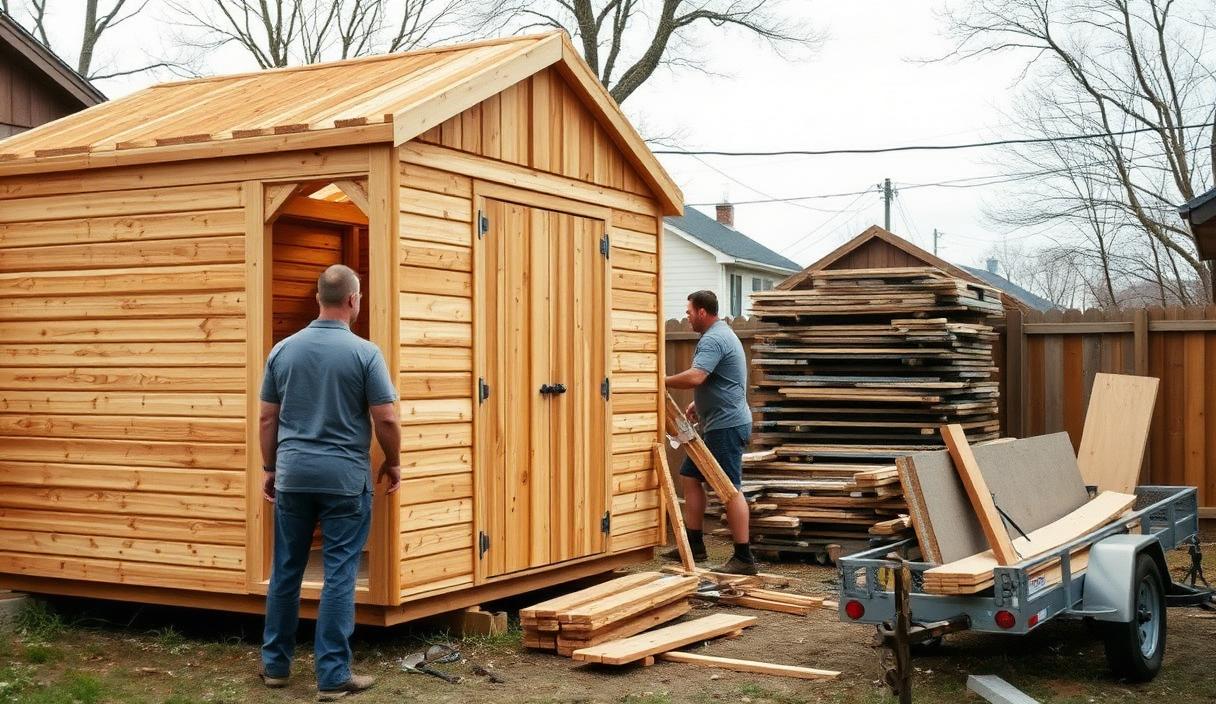
From dismantle to haul-away — what shed removal looks like.
Quick answer
Shed removal typically costs between $300 and $1,200 depending on size, material, and contents. Professional crews like JP's Junk Removal handle the full demolition, hauling, and disposal. In the Central Valley, sheds under 120 sq ft usually don't require permits, but must be disposed of at authorized C&D recycling centers.
Shed Removal & Demolition
Old sheds in the Central Valley don't just disappear; they slowly succumb to the relentless summer sun, dry rot, and the occasional termite infestation. Whether it’s a rusted-out metal kit from the 80s or a custom-built wood structure that’s seen better days, an unstable shed is more than an eyesore—it’s a liability. Living in the Modesto area, you know how quickly a neglected backyard corner can become a haven for pests and fire hazards. Shed removal isn't just about knocking down four walls; it’s a strategic process of dismantling, sorting materials, and ensuring that everything from the asphalt shingles to the pressure-treated skids is disposed of according to CalRecycle standards.
At JP's Junk Removal and Property Services, we specialize in the heavy lifting of shed demolition. We've seen it all in the San Joaquin Valley—from Tuff Sheds tucked behind almond orchards to mid-century potting sheds in the heart of Riverbank. It’s hard, dusty work that requires the right tools and a clear plan for what happens to the debris. We handle the entire lifecycle of the project, including clearing out the junk inside, tearing down the structure, and cleaning up the site until it's ready for your next landscaping project. We don't just haul; we restore your property's potential.
Types of Sheds We Demolish and Remove
Not all sheds are built the same, and the material dictates the demolition strategy. In the Central Valley, we see three main types of outbuildings.
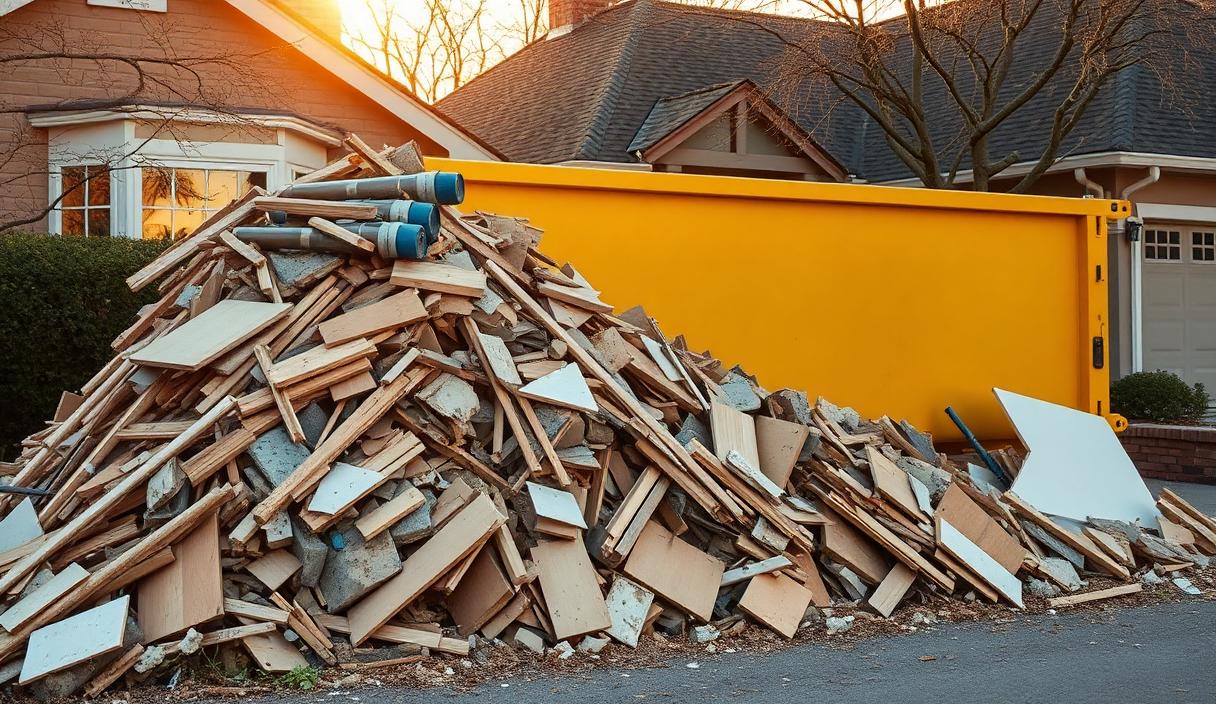
Wood-Framed Sheds and Tuff Sheds These are the most common and often the heaviest. A standard 10x12 wood shed can weigh upwards of 1,500 to 2,500 pounds once you factor in the 2x4 framing, siding, and double-layered roofing. Demolition involves stripping the shingles first to reduce weight, then systematically collapsing the walls inward. We pay close attention to the floor—often made of pressure-treated plywood—which can harbor moisture and pests.
Metal and Tin Sheds While these look flimsy, they can be the most frustrating for DIYers. The thin metal panels are joined by hundreds of tiny, rusted screws that usually need to be sheared off. These sheds are prone to collapsing unpredictably during demo. The upside? Metal is highly recyclable. We frequently separate the steel panels for transport to local scrap processors, which is much better than sending them to the Stanislaus County Solid Waste facilities as general trash.
Resin and Plastic Sheds Brands like Lifetime, Suncast, and Rubbermaid are popular in Modesto because they handle the heat well. These are "snap-together" units, but after ten years in the California sun, the plastic becomes brittle. We don't just "snap" them apart; they often shatter. We ensure every plastic shard is collected so it doesn't end up tilled into your garden soil.
| Material | Demo Difficulty | Primary Disposal Route | Estimated Weight (8x10 size) |
|---|---|---|---|
| Wood-Framed | High (Requires Power Tools) | C&D Recycling / Landfill | 1,800+ lbs |
| Metal / Tin | Medium (Sharp Edges) | Scrap Metal Recycling | 300 - 600 lbs |
| Resin / Plastic | Low to Medium | Municipal Solid Waste | 200 - 400 lbs |
| Composite (T1-11) | High | C&D Recycling | 1,500+ lbs |
The Foundation Factor: Concrete, Skids, and Gravel
Many homeowners think once the shed is down, the job is over. But the foundation is often the most labor-intensive part of the project.
Concrete Slabs If your shed was built on a 4-inch concrete pad, removing it requires a jackhammer and a lot of muscle. Concrete is incredibly heavy; a small 8x10 slab can weigh over 4,000 pounds. We provide construction debris removal specifically for these heavy loads. If you plan on building a new shed in the same spot, you might keep the slab, but if you're putting in sod, that concrete has to go.
Pressure-Treated Skids and Pier Blocks Standard Tuff Sheds often sit on 4x4 pressure-treated runners or concrete pier blocks nestled in the dirt. These blocks are easy to pop out, but the pressure-treated wood requires careful disposal. As per California law, treated wood waste (TWW) has specific handling requirements because of the chemical preservatives used to prevent rot.
Gravel and Pea Stone Sheds built on gravel pads leave behind a footprint of rocks. While we can rake these out, many homeowners choose to keep the gravel as a base for a new project. If you want it gone, we can haul it away as part of a yard & land clearing effort.
Dealing with Shed Contents and Hazardous Materials
Before we can swing a hammer, the "stuff" inside the shed has to be dealt with. Most sheds we encounter in Turlock or Ceres have become "junk magnets" over the years.
- **Hazardous Waste:** This is the most important step. We cannot legally haul away old gasoline cans, wet paint, pesticides, or car batteries. These must be taken to a hazardous waste facility. Check the Merced County Solid Waste guidelines for their specific drop-off days.
- **Forgotten Items:** We frequently find old mattresses or appliances tucked in the back. Because of mattress disposal in California laws and appliance disposal guide requirements (like EPA Section 608 for refrigerants), these items are sorted and priced accordingly.
- **Nesting Pests:** In the Central Valley, it is common to find black widows, wasps, or even rodents in old sheds. We recommend a quick visual inspection before we arrive, though our team is used to working in these conditions.
If the shed is overflowing, don't worry. We offer full junk removal services to clear the contents before we start the demolition. You don't have to lift a finger—or a bag of old mulch.
Common Mistakes to Avoid During Shed Demolition
1. Forgetting the Utilities Never assume a shed doesn't have power. Many homeowners in the Central Valley ran an extension cord or a direct burial line for a light or a freezer years ago. Attempting to demo a shed with live wires is a massive safety risk. Always kill the breaker and verify the lines are dead before the first wall comes down.
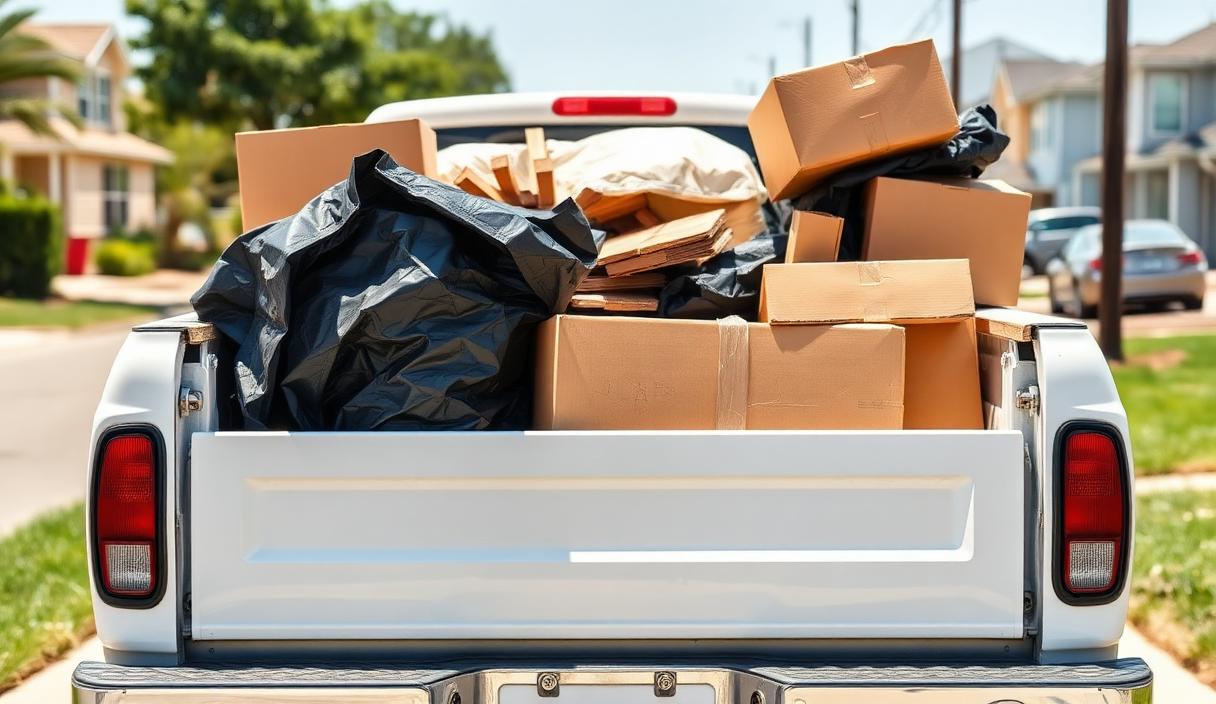
2. Underestimating the Weight A pile of wood from a demolished shed looks much smaller than the actual volume it takes up in a trailer. A single 10x12 shed can easily fill a 14-cubic-yard trailer to the brim. If you try to DIY this with a pickup truck, expect to make 6 to 8 trips to the landfill, paying gate fees each time.
3. Ignoring the Roof Shed roofs are often layered. If a previous owner put a new layer of shingles over an old one, the weight and the mess double. Shingles are messy and heavy. If you don't use a tarp during demo, you'll be finding asphalt granules in your yard for the next five years.
4. Not Checking for "Hidden" Residents We've seen everything from feral cat colonies to aggressive beehives inside old structures. Rushing into a demolition without an "eviction" plan can lead to stings or bites. If you have a major infestation, it's best to call an exterminator before the haulers arrive.
Pro Tips from JP's Junk Removal and Property Services
Tip 1: The "Inside-Out" Trick If you're trying to empty the shed yourself before we arrive, sort the items into "keep," "trash," and "hazardous." Move the trash items into the center of the shed. This allows our crew to load the "filler" junk first and then use the shed's own structural debris to "top off" the load, which is often more cost-effective for junk removal pricing.
Tip 2: Plan Your Demo for the "Valley Window" The heat in Manteca and Modesto is no joke. If you are scheduling a removal, try to aim for early morning appointments. Not only is it safer for the crew, but it also prevents the wood from becoming excessively brittle and splintery in 100-degree heat, which makes cleanup easier.
Tip 3: Think About the Future Footprint Once the shed is gone, the ground underneath will be dead and potentially uneven. Have a bag of grass seed or some leveling dirt ready to go. Since we provide a broom-sweep finish and raked ground, you'll never have a better opportunity to fix that patch of yard than the hour after we leave.
Tip 4: Document for Insurance or Sale If you are removing a shed to prepare a home for sale, take "before and after" photos. Removing a dilapidated structure significantly boosts curb appeal and can actually assist in the appraisal process for eviction & rental cleanouts or estate sales.
Why Homeowners Trust JP's Junk Removal for Demo Work
Hiring a local team like JP's Junk Removal and Property Services means you’re working with people who live and work in the same neighborhoods you do. We aren't a national franchise; we are a locally-owned business that understands the specific needs of Central Valley residents.
- **Licensed and Insured:** Demolition is inherently risky. We carry the proper insurance to protect your property and our team.
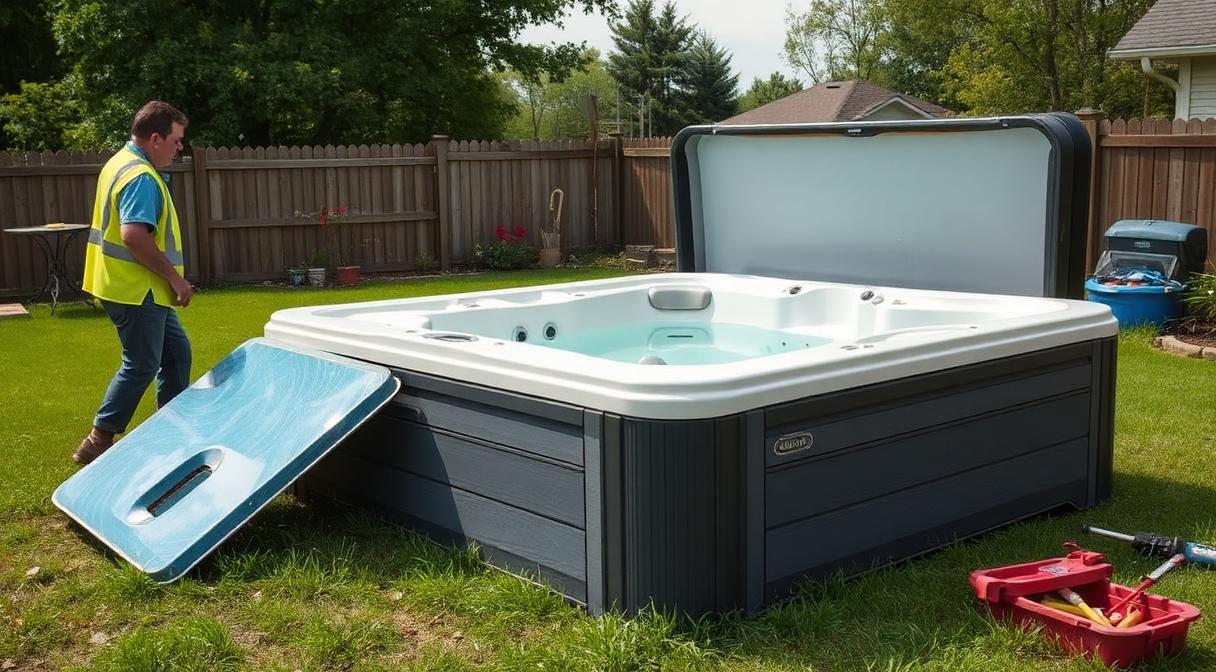
- **Commercial-Grade Equipment:** We use professional trucks and trailers that can handle the heavy weight of hot tub removal or shed debris without multiple trips.
- **Flat-Rate Transparency:** We don't like "hidden fees" any more than you do. We provide clear, upfront quotes based on the size and scope of the job.
- **The Broom-Sweep Finish:** We don't just leave a pile of splinters. Our team rakes the area and sweeps nearby walkways so your yard is immediately usable.
- **Responsible Disposal:** We strictly follow San Joaquin County Solid Waste protocols and CalRecycle mandates, ensuring your old shed is recycled whenever possible.
Whether you are doing a spring cleaning project or preparing for an estate cleanout, we have the experience to get the job done quickly and safely.
Get Your Free Shed Removal Estimate Today
Shed removal is a major step in reclaiming your backyard. From the initial tear-down to the final sweep, JP's Junk Removal and Property Services handles every detail so you don't have to risk a back injury or a flat tire. We serve the heart of the Central Valley, from Riverbank to Oakdale and beyond.
Don't let that old shed sit another season. If you're ready to get rid of it, we make the process simple.
**Ready for a quote?** Text a photo of your shed to (209) 600-7955 for a fast, flat-rate estimate, or visit our quote page to book your appointment. We look forward to helping you clear the way for something better.
Ready to Get Started?
Text us a photo of your pile for a flat-rate quote in under 15 minutes during business hours, or call (209) 600-7955 to schedule a same-day or next-day pickup. We'll show up on time, confirm the price, clear the space, and broom-sweep before we leave.
Helpful resources
Service area & nearby cities
JP's Junk Removal serves homes and businesses across the Central Valley.
See real completed projects
Browse recent before-and-after junk removal projects from homes and businesses across the Central Valley, or get a free instant quote for your own pickup.
Related services
Frequently Asked Questions
Do I need a permit for shed removal in Stanislaus County?
In most Central Valley jurisdictions, including Stanislaus County, detached accessory structures under 120 square feet do not require a building permit for demolition. However, if the shed has electrical wiring or plumbing, you may need a permit to properly cap those utilities. Always check with your local planning department in cities like Turlock or Modesto if the shed is larger or permanently anchored.
Are there hazardous materials like asbestos in old sheds?
Wood sheds from the 1970s or earlier may contain asbestos in the roofing felt, transite siding, or floor tiles. If your shed has brittle, greyish siding or shingle underlayment that looks fibrous, we recommend testing before demolition. Lead-based paint is also common on older wood structures; we follow safe handling procedures to minimize dust during the breakdown process.
Where does the shed go after it's hauled away?
Metal sheds are often recycled at scrap yards in the Central Valley, which can lower disposal fees. Wood sheds are generally treated as construction debris and taken to C&D (Construction and Demolition) recycling centers or the Fink Road Landfill. Resin or plastic sheds (like Suncast or Lifetime) are more difficult to recycle and usually end up as municipal solid waste.
Does the shed need to be empty before you arrive?
While we prefer the shed to be empty, we frequently handle 'full-service' removals where we first clear out the contents—old lawnmowers, chemical jugs, and scrap wood—before tearing down the structure. This is often part of a larger [property cleanout](/property-cleanouts) or [estate cleanout](/estate-cleanouts).
Do I need to provide tools or help with the demolition?
No. Our crew brings all the necessary reciprocating saws, sledgehammers, and crowbars. We are fully self-sufficient and do not require you to provide tools or power, as we often use cordless professional-grade equipment for safety in wet or dusty yard conditions.
How long does a typical shed removal take?
A standard 8x10 wood shed usually takes 2 to 4 hours to demolish, load, and sweep the area. Metal sheds are often faster, taking about 90 minutes. Concrete slab removal, if requested, can add several hours and requires specialized jackhammer equipment.
Need junk removed?
Get a free instant quote or call us today.